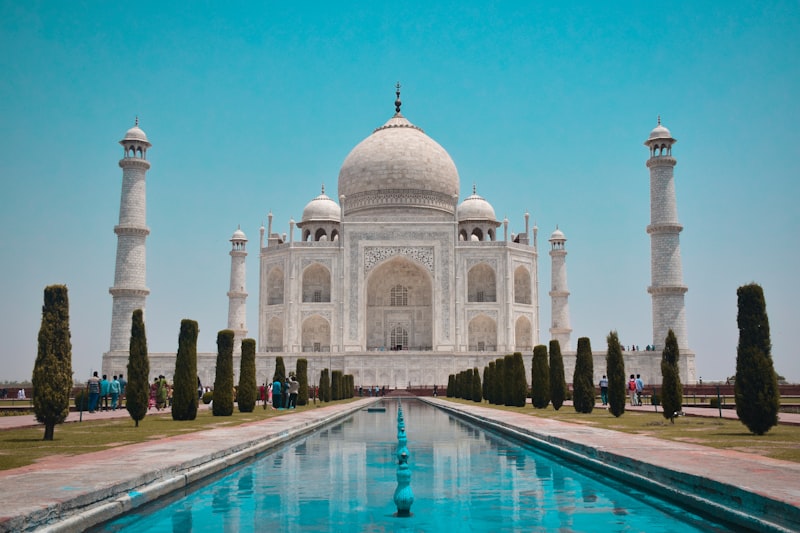
The Taj Mahal is magnificent year-round, but timing your visit right can make the difference between a good experience and an extraordinary one.
Best Seasons
October to March is widely considered the best time to visit. The weather is pleasant with temperatures ranging from 10-25°C, making it comfortable to explore the monument and its gardens. December and January can be quite cold in the mornings, but the misty atmosphere creates ethereal photographs.
The monsoon season (July-September) brings dramatic cloud formations that can create spectacular backdrops, though humidity is high and occasional closures may occur.
Summer (April-June) sees fewer tourists but temperatures can soar above 40°C. If you visit in summer, aim for the very early morning.
Best Time of Day
Sunrise is magical — the Taj Mahal seems to glow from within as the first light hits the marble. Gates open 30 minutes before sunrise, and this is when you'll find the fewest crowds.
Late afternoon offers warm golden light that brings out the intricate marble inlay work. The sunset view from Mehtab Bagh across the Yamuna River is unforgettable.
Practical Tips
- The Taj Mahal is closed on Fridays
- Book tickets online to avoid queue times
- Photography is allowed but tripods are not
- Wear comfortable shoes as you'll need to walk on marble
- Carry water, especially in warmer months
Our Recommendation
For the ultimate experience, we recommend visiting during October or November at sunrise. The weather is perfect, the light is golden, and the gardens are lush from the recent monsoon.
Ready to Experience This?
Let us plan the perfect tour for you. Chat with Fardeen directly on WhatsApp for a personalized itinerary.
Chat on WhatsApp